
Many elderly individuals face financial hardship, poor living conditions, hunger, and limited access to essential resources. As people grow older, earning a steady income often becomes difficult, especially for seniors without pensions, savings, or family support.
Welfare support programs play a crucial role in helping elderly individuals meet their basic needs and live with dignity. These programs provide food assistance, financial support, clothing, shelter assistance, healthcare access, and emotional care to seniors facing difficult circumstances.
Supporting elderly welfare is an important responsibility that reflects compassion, respect, and care for older members of society.
What Is Welfare Support?
Welfare support refers to services and assistance provided to improve the living conditions and well-being of vulnerable individuals, including elderly citizens.
For seniors, welfare support may include:
- Food assistance
- Financial aid
- Clothing donations
- Healthcare support
- Housing assistance
- Emotional and social support
- Transportation assistance
The goal is to reduce hardship and help elderly individuals live healthier, safer, and more dignified lives.
Why Welfare Support Is Important for Seniors
Many elderly individuals are unable to work due to age-related health conditions or physical limitations. Without adequate financial support, some struggle to afford food, medication, transportation, and healthcare services.
Welfare support is important because it:
- Reduces hunger and poverty
- Improves health and nutrition
- Promotes dignity and comfort
- Reduces emotional stress
- Provides hope and encouragement
- Supports vulnerable elderly individuals who lack family assistance
Common Challenges Faced by Elderly Individuals
Financial Difficulties
Many seniors live without reliable income, making it difficult to meet daily needs.
Hunger and Malnutrition
Limited resources may prevent elderly individuals from accessing nutritious meals.
Poor Healthcare Access
Medical expenses can become overwhelming for elderly individuals without financial support.
Inadequate Housing
Some seniors live in unsafe or uncomfortable environments that affect their health and well-being.
Social Isolation
Loneliness and emotional neglect are common among vulnerable elderly individuals.
Welfare support programs help address these challenges and improve the quality of life of seniors.
Types of Welfare Support for the Elderly
Food and Meal Support
Providing regular meals and food supplies helps seniors maintain proper nutrition and better health.
Financial Assistance
Cash support or welfare grants help elderly individuals meet daily living expenses.
Healthcare Support
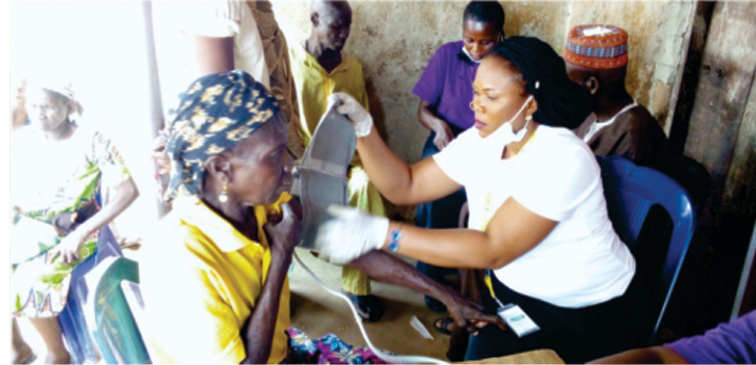
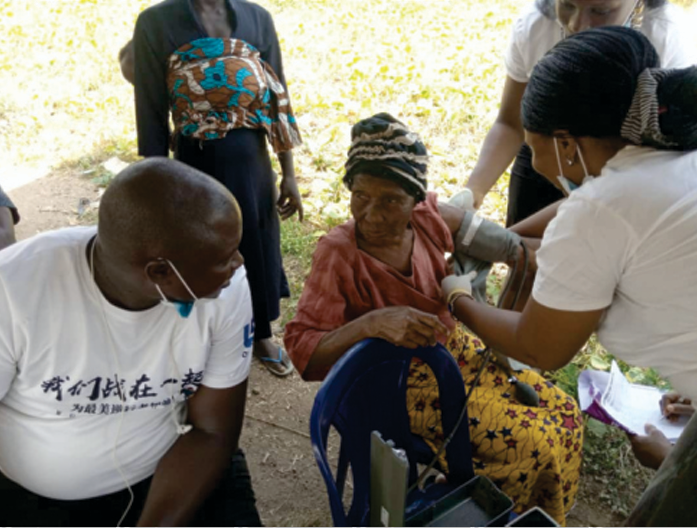
Organizations may assist with medical bills, medications, hospital visits, and health monitoring.
Clothing and Shelter Assistance
Providing clothing, bedding, and safe housing improves comfort and dignity.
Emotional and Social Support
Regular visits, phone calls, and companionship help reduce loneliness and emotional stress.
The Role of NGOs and Community Organizations
Non-governmental organizations play a major role in supporting elderly welfare. Through donations, outreach programs, and volunteer activities, NGOs provide much-needed assistance to vulnerable seniors.
Community organizations may organize:
- Food distribution programs
- Free medical outreach
- Welfare visits
- Caregiver support programs
- Awareness campaigns on elderly care
These efforts help improve the lives of elderly individuals who may otherwise feel forgotten or neglected.
How Individuals Can Support Elderly Welfare
Everyone can contribute to improving the lives of elderly individuals.
Simple ways to help include:
- Donating food or clothing
- Volunteering time
- Visiting elderly neighbors
- Supporting elderly care organizations
- Sponsoring medical care
- Offering emotional support and companionship
Acts of kindness, no matter how small, can make a significant difference in the lives of seniors.
Welfare Support Challenges in Nigeria
In Nigeria, many elderly individuals face economic hardship and limited access to social welfare services. Some major challenges include:
- Limited pension systems
- High healthcare costs
- Poverty and unemployment within families
- Lack of awareness about elderly care needs
- Insufficient government welfare programs
These challenges highlight the need for stronger community support systems and increased attention to elderly welfare.
Promoting Dignity and Respect for Seniors
Every elderly individual deserves to be treated with dignity, respect, and compassion. Welfare support should not only focus on physical needs but also emotional and social well-being.
Creating age-friendly communities and encouraging respect for seniors helps strengthen society as a whole.
Conclusion
Welfare support is essential for improving the lives of elderly individuals facing hardship and vulnerability. Through food assistance, healthcare support, emotional care, and financial aid, seniors can experience greater comfort, security, and hope.
Families, communities, organizations, and governments all have important roles to play in protecting and supporting elderly citizens. By working together, society can ensure that older adults live with dignity, care, and the respect they deserve.