
As people grow older, their healthcare needs become more complex and demanding. Elderly individuals often face age-related health challenges such as arthritis, diabetes, high blood pressure, reduced mobility, memory loss, and other chronic conditions that require regular attention and professional care. Unfortunately, many senior citizens do not receive the medical support they need due to financial difficulties, lack of access to healthcare facilities, or the absence of family support.
Elderly medical care is more than simply treating illnesses. It involves providing compassionate, continuous, and specialized support that improves the overall quality of life of older adults. Proper medical care helps seniors maintain their dignity, independence, and emotional well-being while reducing the risk of serious health complications.
The Importance of Elderly Medical Care
Aging naturally weakens the body and makes seniors more vulnerable to infections, diseases, and physical injuries. Regular medical attention allows healthcare providers to monitor their health closely and identify problems before they become severe.
Routine medical checkups help elderly individuals manage chronic conditions effectively. For example, seniors living with diabetes or hypertension require regular monitoring to avoid dangerous complications. Medication management is also important because many elderly people take multiple medications daily, and incorrect use can lead to serious health risks.
Beyond physical health, elderly medical care also supports mental and emotional wellness. Many older adults experience loneliness, anxiety, or depression, especially after retirement, the loss of a spouse, or reduced social interaction. Professional caregivers and healthcare providers often play an important role in offering encouragement and emotional support.
Common Health Challenges Faced by the Elderly
Older adults experience a variety of health concerns that require specialized attention. Some of the most common include:
Chronic Diseases
Conditions such as diabetes, arthritis, heart disease, and hypertension are common among seniors. These illnesses often require lifelong management, medications, and regular medical supervision.
Mobility Problems
As people age, movement becomes more difficult due to muscle weakness, joint pain, or injuries. Mobility challenges can increase the risk of falls and accidents, making proper support essential.
Memory Loss and Cognitive Decline
Some elderly individuals experience memory-related conditions such as dementia or Alzheimer’s disease. These conditions affect their ability to communicate, remember important details, and perform daily activities independently.
Vision and Hearing Difficulties
Poor eyesight and hearing loss are common among older adults. These conditions can affect communication, increase isolation, and reduce independence.
Emotional and Mental Health Challenges
Loneliness and depression are serious concerns for many elderly individuals, particularly those living alone or separated from family members.
The Role of Caregivers in Elderly Medical Care
Caregivers play a critical role in supporting elderly individuals and ensuring they receive proper medical attention. A caregiver may be a family member, trained volunteer, or professional healthcare worker who assists seniors with daily health-related needs.
Caregivers help with:
- Medication reminders
- Hospital visits and appointments
- Monitoring health conditions
- Assisting with mobility
- Providing emotional support
- Encouraging healthy lifestyles
- Assisting with feeding and hygiene
Professional caregivers are trained to recognize signs of health complications and respond quickly during emergencies. Their support helps seniors feel safe, respected, and cared for.
Home-Based Medical Care for Seniors
Many elderly individuals prefer receiving care in the comfort of their own homes rather than staying in hospitals or nursing homes. Home-based elderly care has become increasingly important because it allows seniors to remain in familiar environments while receiving personalized attention.
Home care services may include:
- Basic nursing care
- Medication assistance
- Physical therapy support
- Health monitoring
- Personal hygiene assistance
- Meal preparation
- Emotional companionship
Receiving care at home often reduces stress and promotes faster emotional recovery. It also allows family members to stay actively involved in the care process.
Challenges Facing Elderly Medical Care in Nigeria
In Nigeria, many elderly individuals struggle to access proper healthcare services. Some of the major challenges include:
Limited Healthcare Access
Rural communities often lack healthcare facilities and trained professionals capable of caring for elderly patients.
Financial Difficulties
Many older adults do not have steady income or medical insurance, making it difficult to afford treatment and medications.
Lack of Awareness
Some families are unaware of the special healthcare needs of elderly individuals and may not prioritize regular medical care.
Shortage of Trained Caregivers
There is an increasing need for trained caregivers who understand elderly care and can provide compassionate support.
How Communities Can Support Elderly Healthcare
Supporting elderly healthcare should not be the responsibility of families alone. Communities, organizations, and governments all have important roles to play.
Communities can support seniors by:
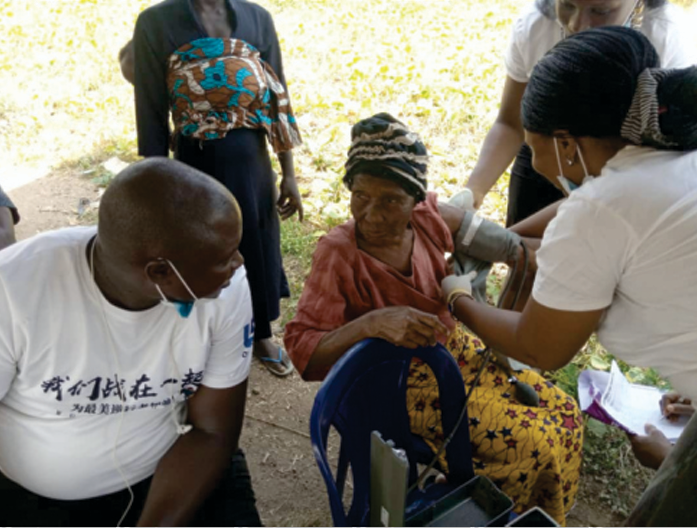
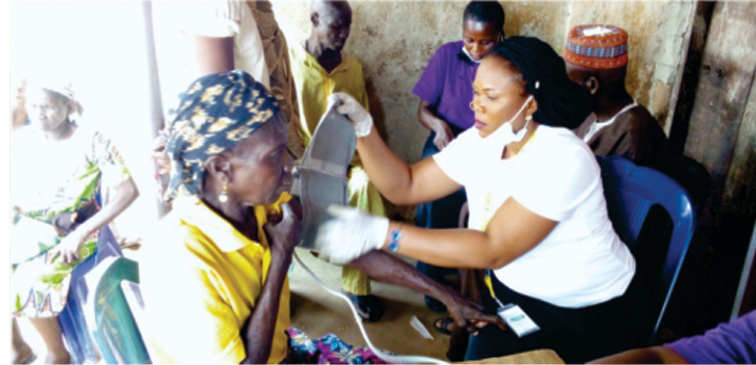
- Organizing free medical outreach programs
- Providing welfare and food support
- Training caregivers and volunteers
- Creating awareness about elderly health needs
- Encouraging social inclusion and companionship
Non-governmental organizations also contribute significantly by offering home visits, medical support, and emotional care for elderly individuals who may otherwise be neglected.
Promoting Healthy Aging
Healthy aging involves encouraging elderly individuals to maintain healthy lifestyles that improve their physical and mental well-being.
Some important healthy aging practices include:
- Eating balanced and nutritious meals
- Staying physically active
- Attending regular medical checkups
- Maintaining social connections
- Getting adequate rest and sleep
- Managing stress effectively
Family members can encourage seniors to stay engaged in activities they enjoy, such as gardening, reading, light exercise, or participating in community events.
Conclusion
Elderly medical care is essential for improving the quality of life of senior citizens and helping them age with dignity, comfort, and respect. As individuals grow older, they deserve compassionate healthcare services that address their physical, emotional, and social needs.
Providing proper elderly medical care requires cooperation from families, caregivers, healthcare providers, communities, and organizations. Through consistent support, awareness, and access to healthcare services, society can ensure that older adults live healthier, happier, and more fulfilling lives.